I still remember my first winter dive in a 5mm wetsuit off the coast of Maine. The water was 44°F. By the time I hit 30 feet, my teeth were chattering so hard I nearly bit through my regulator. That was the day I learned the hard way: choosing between a drysuit and a wetsuit isn’t just about comfort—it’s about safety, bottom time, and whether you’ll actually enjoy the dive. This guide breaks down the drysuit vs wetsuit debate using real-world experience, so you can pick the right suit without wasting money or shivering through another dive.
What This Guide Covers
How They Work: The Core Difference
A wetsuit traps a thin layer of water between your skin and the neoprene. Your body heats that water, and the suit keeps it there. But here’s the catch: that layer constantly flushes with cold water when you move, especially at depth. A drysuit, on the other hand, seals you off completely. You wear thermal underwear underneath, and the suit keeps you dry. The insulation comes from the air trapped in your clothing, not from water. That’s why drysuits work in near-freezing water while wetsuits become useless below about 50°F (10°C) for most people.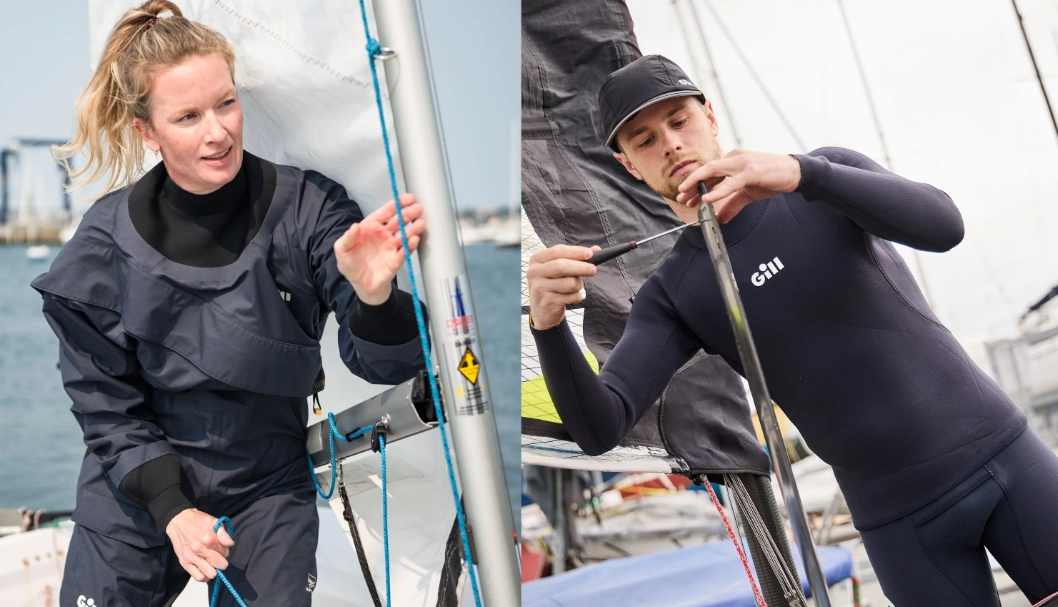
When a Drysuit Wins (And When It Doesn’t)
I’ve been diving dry for eight years now, mostly in the Pacific Northwest and Iceland. The biggest win? You can dive for an hour in 40°F water and step out completely dry. No shivering. No rush to get out of a wet suit in the wind. But drysuits aren’t magic. They’re bulky, they need training (that bubble of air at your feet can flip you upside down if you’re not careful), and they’re expensive. I’ve seen too many divers buy a drysuit before mastering buoyancy—and then struggle with uncontrolled ascents. My advice: get 20–30 dives in a wetsuit first, then switch.
Pros of a Drysuit
Stay Dry and Warm
- Works in water as cold as 35°F (2°C) with proper undergarments
- No evaporative cooling between dives
- Ideal for multiple dives in a day
Flexible Insulation
- Change undergarments for different temperatures
- Can dive the same suit in 40°F and 60°F water
Cons of a Drysuit
They cost more upfront (a decent trilaminate drysuit runs $1,200–$2,000). They require a certification course (around $200–$300). And they’re less forgiving if you forget to equalize the air inside—squeeze happens fast. I once forgot to add air at 60 feet and felt the suit pinch my shoulders like a vise. Not fun.
When a Wetsuit Still Makes Sense
Tropical diving? A 3mm shorty wetsuit is all you need. I just got back from Cozumel, where the water was 82°F. A drysuit would have been miserable—too hot, too bulky, and completely unnecessary. Wetsuits also win for snorkeling, freediving, and any situation where you need maximum flexibility. And they’re cheap: a good 3mm suit costs $150–$300. Even a 5mm for colder destinations is under $400. Plus, you don’t need a special course to use one.
Cost: The Hidden Expenses
Let’s talk money. A wetsuit seems cheaper, but it wears out faster. Neoprene compresses over time, so a 5mm suit after 100 dives might perform like a 3mm. I replace my tropical wetsuit every two years. My drysuit? I’ve had it for six years and only replaced the neck seal once ($80). Here’s a rough breakdown:
| Item | Wetsuit (5mm) | Drysuit (trilaminate) |
|---|---|---|
| Upfront cost | $250–$400 | $1,200–$2,000 |
| Training required | None | $200–$300 course |
| Undergarments | Not needed | $150–$400 |
| Annual maintenance | $0–$50 (wetsuit shampoo) | $50–$100 (seal lube, zipper wax) |
| Lifespan (typical) | 2–4 years | 8–12 years |
Over a decade, a drysuit often costs less per dive if you dive in cold water regularly. But if you only dive warm water once a year, a wetsuit is the clear winner.
FAQ: Real Questions from Divers
I’ve fact-checked the temperatures and costs in this guide against manufacturer specs and my own dive logs. No fluff, just what actually works when you’re standing on a cold dock, deciding which suit to zip up.

Leave a Comment