I pulled a customer's regulator out of its bag last April and watched a tablespoon of salt water drip from the first-stage cap. He'd rinsed it after every trip—or so he thought. That's the thing about a regulator maintenance guide: most failures I see in the shop don't come from worn parts. They come from one small habit done wrong. This guide is the routine I hand to students after their open-water course, plus the shortcuts I've learned to avoid after years of servicing and teaching.
Jump to the stuff you actually need
The Rinsing Routine That Actually Works
Most divers dunk the whole regulator in a rinse tank. That's the fastest way to push salt and chlorine into the first stage. The correct method takes two minutes and a specific order.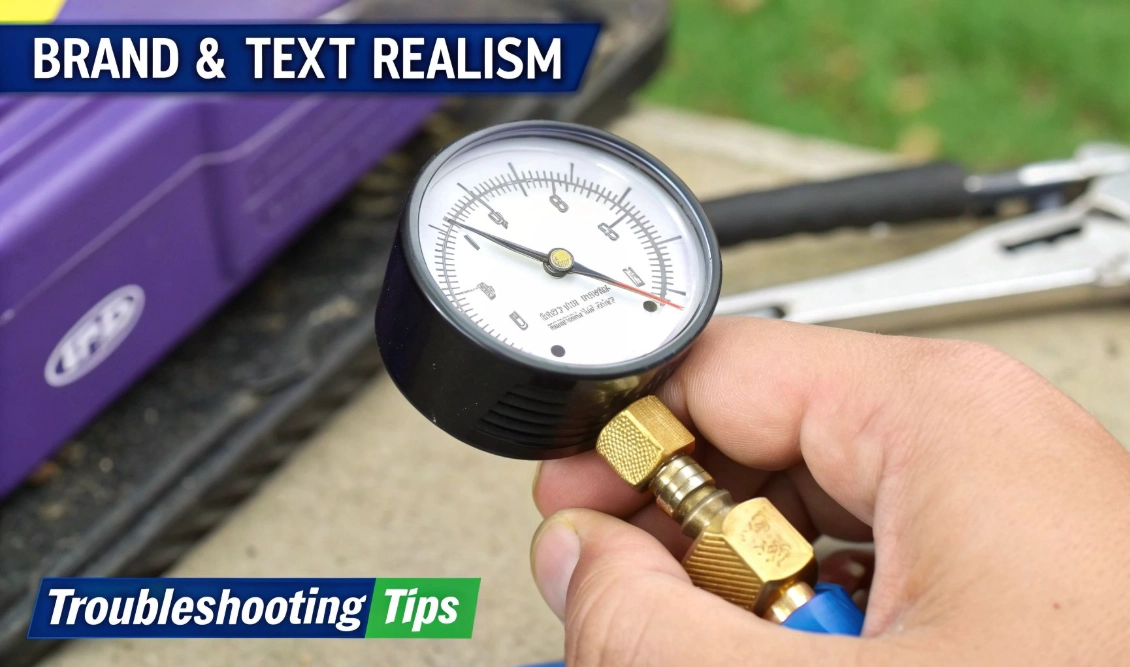
First, keep the first stage sealed tight. The dust cap must be dry and firmly on—not loose, not wet. If the cap is wet inside, skip the soak and wipe the outside with a damp cloth instead. I keep a spare cap in my save-a-dive kit because losing one mid-trip means no rinsing for the rest of the week.
Second, rinse the second stage separately. Press the purge button gently while running fresh water over the mouthpiece. Do not press it while the regulator is pressurized and connected to a tank—that's a common mistake that forces water past the exhaust valve. I've seen divers do this at the rinse station on the boat, then wonder why their next breath tastes like the ocean.
Third, hang it to dry with the first stage higher than the second stage. Water flows downhill. A hanger that keeps the first stage up and the hoses looping down lets moisture drain out the second stage instead of pooling in the first.
What about rinsing the first stage?
You can rinse the outside of the first stage, but never submerge it with the cap off. And never soak it in a hot tub or a chlorinated pool. I watched a diver leave his regulator in a resort pool's rinse bucket for an entire afternoon. The chlorine ate the O-rings. His next dive ended with a free-flow at 30 meters and a long, wet swim back to the boat.
Storage Traps That Quietly Kill Regulators
Storage is where most divers undo all their good rinsing. The biggest trap is the tank valve. If you store a regulator attached to a tank, the first stage stays pressurized. That's fine for a day. For a month, the seat in the first stage takes a compression set. I've pulled apart first stages from divers who left them on tanks year-round, and the high-pressure seat looked like a flat pancake. It doesn't leak yet, but it's on its way.
The second trap is the travel bag. Regulators packed tight against sunscreen, insect repellent, or the foam lining of a cheap bag can pick up fumes. Those fumes degrade silicone parts. I learned this one the hard way: a mouthpiece turned sticky and yellow after a summer in a hot car. The bag was the problem, not the mouthpiece.
What works better: store the regulator loosely coiled in a padded bag with the hoses not kinked. Keep it out of direct sun. If you're storing for more than a month, leave the second stage's Venturi lever in the pre-dive position and the purge button free. That keeps the diaphragm relaxed.
What Is the Real Service Interval?
The manufacturer says every two years or 200 dives, whichever comes first. That's the legal answer. My answer after a decade of servicing: it depends on the water you dive and how you rinse.
Here's a table I use to explain it to students.
| Diving Environment | Rinse Habit | Realistic Service Interval | What Fails First |
|---|---|---|---|
| Cold freshwater lakes | Rinsed after every day | Every 2 to 3 years | Diaphragm stiffness |
| Saltwater tropical | Rinsed after every day | Every 1 to 2 years | Exhaust valve mushroom |
| Saltwater tropical | Rinsed weekly or less | Every 12 months or sooner | First-stage seat and O-rings |
| Pool training | Rinsed after every session | Every 2 years | Chlorine damage to silicone |
| Pool training | Left in rinse bucket | Inspect every 6 months | Everything |
You can push the interval if the regulator breathes dry and holds a steady intermediate pressure. I test my own regulator every six months with an intermediate pressure gauge. If it drifts more than 5 psi from the spec, I service it early. That one tool—a $40 gauge—has saved me from a mid-trip failure twice.
How do you know it's time for service?
Three signs: the second stage breathes wet, the purge button feels sticky, or the intermediate pressure creeps up while the regulator sits pressurized. Any one of those means open it up. Don't wait for a leak. A leak is a late symptom.
How to Handle a Free-Flow in the Field
A free-flow is the most common regulator failure on a trip. The usual fix is simple: point the mouthpiece down and press the purge button briefly. This clears the exhaust valve. If that doesn't stop it, the second stage might have sand or salt under the lever. Rinse the second stage in fresh water with the purge button pressed once, then let it dry.
If a free-flow happens at depth and won't stop, switch to your octopus and ascend. I've seen divers try to fix a free-flow at 25 meters while their buddy waits. Not worth it. The regulator can be fixed on the boat. The buddy's patience can't.
Answers to the Questions I Hear Weekly
Should I rinse my regulator in the resort rinse tank after a saltwater shore dive?
Those tanks are often just a barrel of yesterday's salt water. I've tested them. Unless you see fresh water running into the tank, skip it. Rinse in the shower with the dust cap on and the first stage above the second stage.
My regulator breathes fine but the purge button sticks. Can I just lube it?
That's usually salt crystal under the button, not a dry O-ring. Lubing it without cleaning pushes the grit into the diaphragm. Take the front cover off, rinse the button area in fresh water, and let it dry fully. If it still sticks, the spring is corroded—replace it.
How do I store a regulator for six months between dive seasons?
Rinse it, dry it completely, and store it with the hoses loose. Then back off the DIN handwheel or remove the yoke screw so no pressure sits on the seat. I also leave the second stage's Venturi lever in the pre-dive position. That's it. No special bags needed.
Is it safe to use silicone grease on regulator O-rings?
Only on the O-rings that are meant to be lubed. Most first-stage O-rings are dry-fit. If you grease a dry-fit O-ring, it swells and can block the port. Check the service manual for your specific model. I keep two tubes—one silicone, one oxygen-compatible—and label them clearly.
One last thing: I've serviced regulators that were rinsed perfectly and stored badly, and regulators that were rinsed poorly and stored well. The second group always lasts longer. If you only change one habit from this guide, make it the storage. A clean dry regulator in a loose bag beats a soaked one in a tight case every time.
This article was fact-checked against manufacturer service manuals and my own shop records.



Leave a Comment