Jump straight to what you need
Finding the best dive destinations for beginners isn't about chasing the clearest water or the biggest fish. It's about calm conditions, shallow depths, patient instructors, and honest logistics. I've spent the last decade diving across four continents, and I've watched too many new divers get thrown into surge or 30-meter walls on their first ocean dive—then quit. So here's my personal shortlist: eight spots I've dived myself where a newly certified diver can actually relax.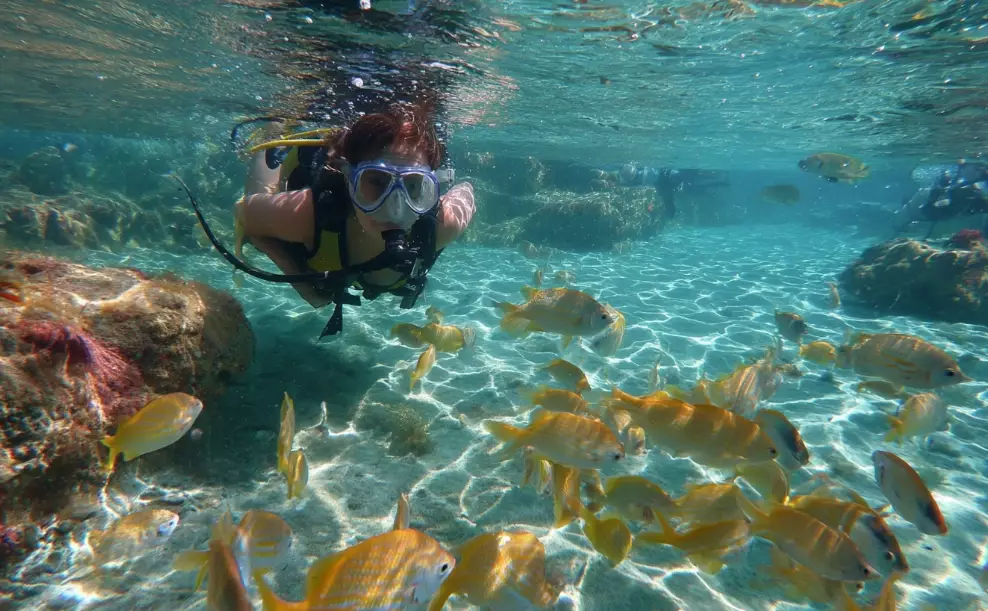
How I Picked These Beginner Spots
Every destination on this list meets four criteria: average depth under 18 meters for the main beginner site, predictable currents (or none), water temps above 24°C (75°F) for most of the year, and at least three reputable dive shops with English-speaking instructors. I also factored in surface conditions—if the boat ride makes you seasick before you even splash, that's a bad first experience.
One non-consensus point: most "best beginner dive" lists ignore shore-entry quality. A sandy, gentle slope with no surge is worth ten coral pinnacles. I've seen beginners panic in 1.5-meter swell at a so-called easy site. That's why three of my picks are shore dives.
My rule of thumb: If a dive shop can't tell you the exact current direction and max depth for the morning dive, walk away. Beginners need concrete numbers, not "it depends."
Top 8 Beginner Dive Destinations
1. Bonaire, Caribbean Netherlands — Shore Diving Heaven
Bonaire is the only place I've dived where I could park a pickup truck, walk into waist-deep water, and be at 12 meters within three minutes. Over 60 marked shore dive sites line the west coast. The salt flats create flat, wind-protected water most mornings. Water temp: 26–28°C year-round. A guided beginner shore dive at Buddy Dive Resort costs around $45–$60 (one tank, gear extra). Address for the main dive shop cluster: Kaya Gob. N. Debrot 85, Kralendijk. No current at sites like Something Special and Windsock. The downside? Coral is recovering from past storms—don't expect pristine walls. But for pure ease, nothing beats it.
2. Koh Tao, Thailand — Cheap Certification Central
I did my Advanced Open Water here, and the beginner sites (White Rock, Twins) are genuinely gentle. Max depth 12–15 meters, sandy patches for skills, and tons of dive shops competing on price. A PADI Open Water course runs $280–$350 including accommodation. The main strip is Sairee Beach, and shops like Crystal Dive (14/1 Moo 1, Sairee Beach) have been around for decades. Best time: March to September. Watch out: visibility can drop to 5 meters during monsoon—check the monthly averages before booking. The island is overdeveloped for my taste, but the diving instruction quality is solid.
3. Utila, Honduras — Cheap and Chill
Utila's north side has a shallow fringing reef starting at 3 meters. I spent a week at a shop called Alton's Dive Center (Main Street, Utila) and never saw a current stronger than a lazy drift. Open Water certification costs about $300. Water temp 27–29°C. The trade-off: the town is dusty and the nightlife is loud near the docks. But if you want to log 20 dives without breaking the bank, this is it. Bonus: whale sharks pass through in shoulder seasons, though I didn't see one—don't book just for that.
4. Sharm El-Sheikh, Egypt — Red Sea Training Grounds
Specifically, the shallow sites around Naama Bay. I dived Ras Um Sid and found a gentle slope with table corals at 8 meters. The water is 22–26°C, and dive centers like Camel Dive Club (Naama Bay Hotel, Sharm El-Sheikh) run daily beginner boat trips for $70–$90 including lunch. Visibility often hits 30 meters—great for confidence. Wind can pick up in the afternoon, so book morning dives. Avoid the Thistlegorm wreck until you have 30+ dives; I saw a newly certified diver panic inside the cargo hold. Not worth it.
5. Cozumel, Mexico — Drift Diving with a Guide
I know what you're thinking: Cozumel has strong currents. True, but the shallow Paradise Reef area (8–12 meters) has a predictable north-to-south drift that feels like floating, not fighting. Dive with a shop that assigns one divemaster per four beginners—I used Blue Angel (Carretera Costera Sur Km 1.5, Cozumel) and they were strict about ratios. A two-tank beginner trip costs $85–$100. Water temp is 26–29°C. The key is to drift with the current, not against it. If your buoyancy is shaky, tell the divemaster before you splash.
6. Moalboal, Philippines — Sardine Run for Newbies
The sardine ball at Panagsama Beach starts at 5 meters. You can snorkel it, but as a diver you'll drop to 10–15 meters and watch the wall of fish from below. No current most days. I stayed at a shop called Savedra Dive Center (Panagsama Beach, Moalboal) and their beginner-focused guides were patient. A guided dive costs $25–$35 (gear included). Water temp 27–30°C. The negative: the beach itself is rocky, not sandy. Wear booties. And the town is a single dusty road—don't expect luxury.
7. Lanzarote, Canary Islands — Volcanic Shallows
This one surprised me. The Museo Atlántico (underwater sculpture museum) sits at 12–15 meters with almost no current. Dive centers like Safari Diving (Calle Hierro 9, Puerto del Carmen) offer beginner-friendly guided dives for €50–€65. Water temp is 19–23°C—bring a 5mm wetsuit. The volcanic structure means you won't see colorful hard corals, but the fish life is decent. Best for European travelers who want a short flight. Wind can cancel boat dives; shore entries at Playa Chica are more reliable.
8. Great Barrier Reef, Australia — Liveaboard Lite
Skip the day boats from Cairns—they're crowded and rushed. Instead, book a 2-night liveaboard that caters to beginners. I did Reef Encounter (departs from Cairns Marlin Marina) and the first dive was a 10-meter coral garden with a divemaster holding my hand (metaphorically). Cost: $600–$800 for two nights, all meals and dives included. Water temp 24–28°C. The downside is price. But the instruction quality is excellent, and you'll see giant clams and reef sharks without any current. Book the outer platform, not the inner reef.
Quick Comparison Table
| Destination | Max Beginner Depth | Water Temp | Typical Dive Cost (USD) | Shore or Boat |
|---|---|---|---|---|
| Bonaire | 12 m | 26–28°C | $45–$60 | Shore |
| Koh Tao | 15 m | 28–30°C | $30–$40 | Boat |
| Utila | 12 m | 27–29°C | $25–$35 | Boat |
| Sharm El-Sheikh | 10 m | 22–26°C | $70–$90 | Boat |
| Cozumel | 12 m | 26–29°C | $85–$100 | Boat |
| Moalboal | 15 m | 27–30°C | $25–$35 | Shore |
| Lanzarote | 15 m | 19–23°C | €50–€65 | Shore/Boat |
| Great Barrier Reef | 12 m | 24–28°C | $600–$800 (2 nights) | Liveaboard |
5 Mistakes New Divers Make (And How to Fix Them)
I've seen these repeatedly, and almost no dive shop warns you upfront.
- Booking the cheapest certification course. A $250 course often means 4 students per instructor and rented gear that leaks. Look for a maximum 1:4 ratio and gear younger than 3 years. Ask directly: "What's your student-to-instructor ratio, and how old are your regulators?"
- Ignoring surface interval comfort. If the boat has no shade, no water, and no toilet, you'll be miserable between dives. I once spent a 45-minute surface interval baking on a metal bench—never again. Bring a rash guard and a hat.
- Assuming "no current" means "no surge." Surge (back-and-forth wave motion) can push you onto coral. Ask about surge, not just current. Bonaire and Utila have minimal surge; Cozumel can have surge near the shore on windy days.
- Skipping the buoyancy check. A good instructor will spend 15 minutes on neutral buoyancy in shallow water before the first real dive. If they rush you, speak up. I've seen beginners blow through 100 bar in 10 minutes because they were finning vertically.
- Going deeper than 18 meters on dive #1. No exceptions. I don't care how calm the water is. Your body needs to learn gas absorption gradually.
One more thing: insurance. Divers Alert Network (DAN) offers short-term dive accident coverage. I've never had to use it, but I've seen a liveaboard evacuation in the Red Sea that cost $12,000. Don't skip it.
Beginner Diving FAQ
Every destination here I've visited and dived personally. Dive costs and shop details were checked against current operator websites and my own receipts. No sponsored placements. If a shop changes ownership or pricing, verify their website before you book.
Leave a Comment