I still remember my first nitrox class. The instructor held up two tanks—one air, one enriched—and asked, “Which one gives you more bottom time on a 30-meter dive?” Half the room guessed wrong. That’s when I realized: nitrox certification worth it isn’t about the card. It’s about understanding what’s actually in your tank.
After ten years of teaching and diving, I’ve seen divers waste money on courses they didn’t need and others skip nitrox when it would’ve saved a trip. Let me break down the real numbers, the safety stuff nobody mentions, and the situations where you should absolutely get certified—and when you shouldn’t.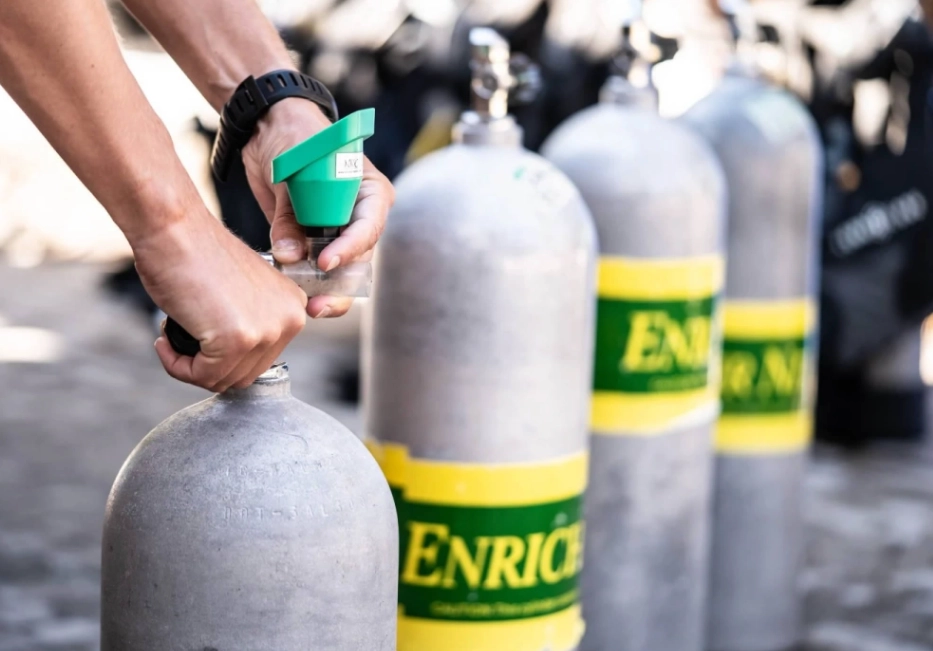
What Does Nitrox Certification Really Cost?
Most dive shops charge between $120 and $250 for the enriched air diver course. That usually includes online theory, a quick review session, and the certification card. But the course fee is only half the story.
Then there’s the gas itself. A nitrox fill costs about $8–$15 more than a regular air fill, depending on where you dive. Over a week-long trip with 15 dives, that adds up to $120–$225 extra. So your first year with nitrox could easily run $300–$450 total.
Is that a lot? Depends on how you dive. If you only do two dives a year on vacation, the math gets ugly fast. But if you’re logging 50+ dives annually, the extra bottom time pays for itself in spades.
| Expense | Typical Cost (USD) | Notes |
|---|---|---|
| Nitrox certification course | $120–$250 | Includes e-learning and card |
| Nitrox fill (per tank) | $8–$15 extra vs air | Varies by region and shop |
| Analyzer (optional) | $200–$400 | Most liveaboards provide one |
| Annual diving (15 dives) | $120–$225 extra | Just on gas upgrades |
The Safety Edge: Nitrox vs Air
Here’s where I see divers get confused. Nitrox doesn’t make you invincible. It reduces nitrogen absorption, which lowers decompression sickness (DCS) risk on repetitive dives. That’s the main safety benefit. But it also introduces oxygen toxicity risk at depth.
Most recreational nitrox mixes (EAN32 or EAN36) have a maximum operating depth of about 34 meters (111 feet) for EAN32 and 30 meters (98 feet) for EAN36. Go deeper and you risk seizures from oxygen toxicity. That’s not a theoretical concern—I’ve seen a diver on a liveaboard ignore his computer’s warning and end up in a chamber. Not fun.
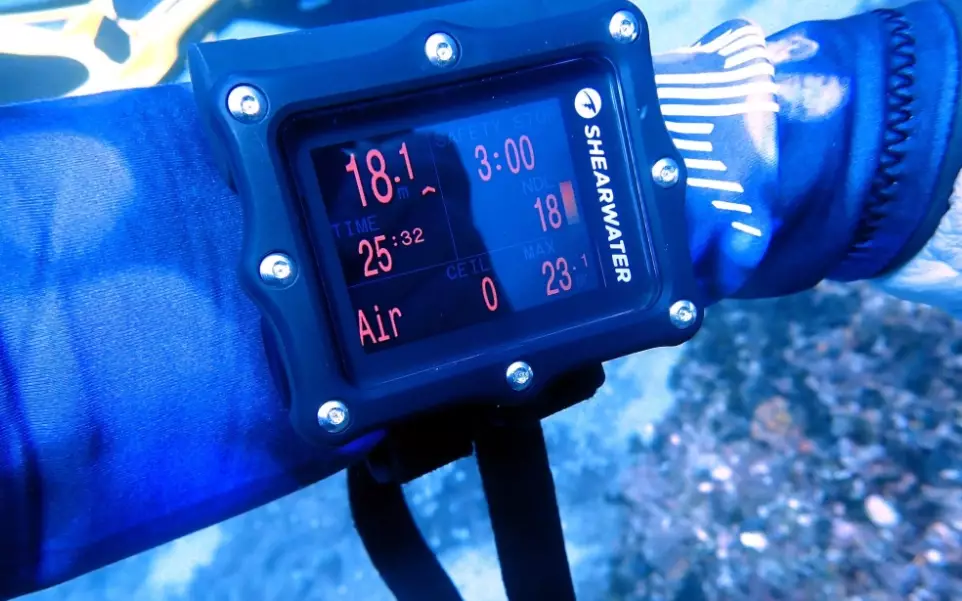
The flip side: on repetitive dives, nitrox gives you longer no-decompression limits. For example, on a 25-meter dive, air gives you roughly 20 minutes of no-deco time. EAN32 bumps that to about 30 minutes. That extra 10 minutes is often the difference between seeing the whole wreck and missing the good stuff.
“Nitrox is a tool. It’s not a magic pill. Use it wrong and you’ll have a bad day.” — my old tech instructor, who had a knack for blunt truths.
When Nitrox Certification Is Worth It (and When It’s Not)
After guiding hundreds of divers, I’ve noticed a pattern. Nitrox certification is worth it in these scenarios:
- You’re doing multiple dives per day on a liveaboard. The reduced nitrogen load really shows by day three.
- You’re diving 25–30 meters repeatedly. That extra bottom time is noticeable.
- You’re prone to fatigue after diving. Many divers report feeling less wiped out with nitrox (though the science is mixed, the anecdotal reports are strong).
- You travel to remote areas where air fills are unreliable. Nitrox analyzers force shops to keep their compressors clean.
But here’s the non-consensus part: plenty of divers shouldn’t bother. If you only dive shallow reefs (under 18 meters) once or twice a year, the extra cost and oxygen tracking hassle isn’t worth it. I’ve seen vacation divers waste $200 on a nitrox card they never use. That’s money better spent on a few extra boat dives.
Also, if you’re a new diver still working on buoyancy, adding nitrox to the mix can be a distraction. Get your basic skills solid first.
My Personal Experience: A Liveaboard Wake-Up Call
Three years ago I was on a liveaboard in the Red Sea. The itinerary had four dives a day, mostly in the 20–28 meter range. I was the only diver without nitrox. By day two, I was sitting out the fourth dive because my computer was screaming at me about no-deco limits. The guy next to me—same age, same fitness—was on his fourth dive with time to spare. That stung.
I got certified the next month. The course took me four hours online and a 30-minute practical session where I learned to analyze a tank. The analyzer part is straightforward: you screw a sensor onto the valve, crack it open, and read the percentage. But here’s a detail most courses skip: always analyze your own tank before every dive, even if the shop says it’s already done. I’ve caught two misfills in five years. Both were labeled 32% but tested at 30%. That’s a depth-limit difference you don’t want to guess.
And here’s another thing I wish someone told me earlier: nitrox doesn’t just extend bottom time. It also shortens surface intervals. On a liveaboard, that means you’re back in the water faster. Over a week, that’s several extra dives—easily worth the course fee.
Common Questions Divers Ask
Bottom line: nitrox certification is worth it if you’re an active diver who wants more bottom time and lower fatigue on repetitive dives. For casual vacation divers, skip it and spend the money on a guided dive. The course itself is simple—most divers finish it in a day. The real value comes from using it regularly and understanding its limits.
Fact-checked against training standards from PADI, SSI, and DAN safety bulletins.


Leave a Comment