What's in this guide
I still remember my first liveaboard. Fourteen boats later, I can tell you the scariest part wasn’t the deep blue—it was the moment I realized I was the least experienced diver on deck. If you’re searching for liveaboard diving for beginners, you’ve probably heard the usual advice: get 50 dives first, take seasickness meds, don’t skip the safety briefing. That’s fine. But it misses the stuff that actually trips people up. So here’s what I wish someone had told me before I stepped onto that boat in the Maldives.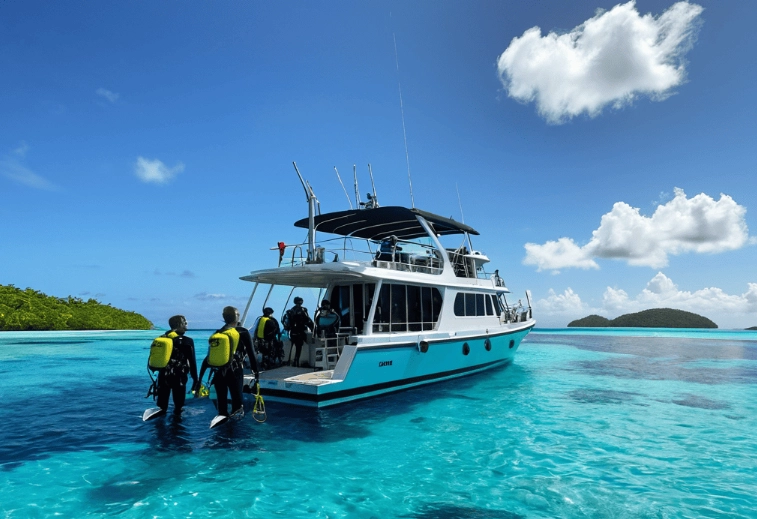
What is a liveaboard (and is it really for you)?
A liveaboard is a dive boat you sleep on. You eat, dive, sleep, repeat—often for 7 to 10 days. The appeal is simple: remote sites, fewer crowds, more dives per day. Most boats run 3–4 dives daily plus a night dive. But “beginner-friendly” is a loaded phrase. Some operators welcome newly certified divers; others quietly require 50+ logged dives. Check the fine print before you book. I once watched a couple get turned away at the dock in Hurghada because they had only 12 dives—the boat’s minimum was 30. Awkward. So email the operator and ask directly: “What’s the real minimum for this itinerary?”
The skill gap nobody warns you about
Here’s the non-consensus bit: nobody cares about your certification card. They care whether you can hold a safety stop without grabbing the mooring line. Most beginner liveaboard problems aren’t about deep diving—they’re about buoyancy and air consumption. If you burn through a tank in 35 minutes while everyone else dives for 60, you’ll feel the pressure. Literally. My advice? Before you book, spend two days in a pool or shallow shore dive practicing hovering. Kneel on the bottom and try to stay perfectly still for one minute. That single skill will save you from embarrassment and keep you safer on the boat.
Practical tip: Ask your local dive shop for a “peak performance buoyancy” session. It’s usually a one-day course and costs less than a liveaboard deposit. Worth every penny.
Seasickness: the real deal
I don’t care how tough you think you are. The first night on a liveaboard, the boat rocks differently than a day boat. Scopoderm patches work for many, but they made my mouth dry as cardboard. What actually helped? Ginger chews, staring at the horizon for 10 minutes before breakfast, and staying mid-ship. Avoid the bow cabin if you’re prone to nausea—it slams harder. And here’s the thing: seasickness usually fades after 48 hours. If you can push through the first two days, you’ll likely be fine.
Boat etiquette that keeps you from being “that diver”
Liveaboards are shared spaces. A few unspoken rules: rinse your gear in the designated tub, not the fresh water shower. Don’t hog the charging station. And for the love of Neptune, don’t be the person who’s always late for the dive briefing. I’ve seen a whole boat wait 20 minutes for one guy who was drying his hair. Trust me, you don’t want that reputation. Also—learn the crew’s names. They work 14-hour days and remember who tips well and who treats them like staff.
What to pack (and what to leave behind)
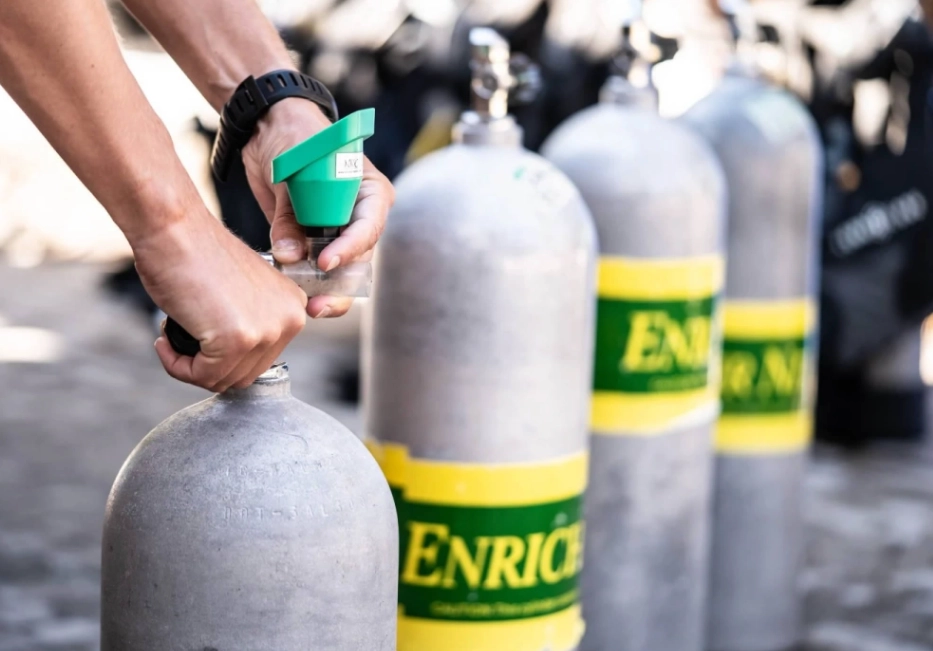
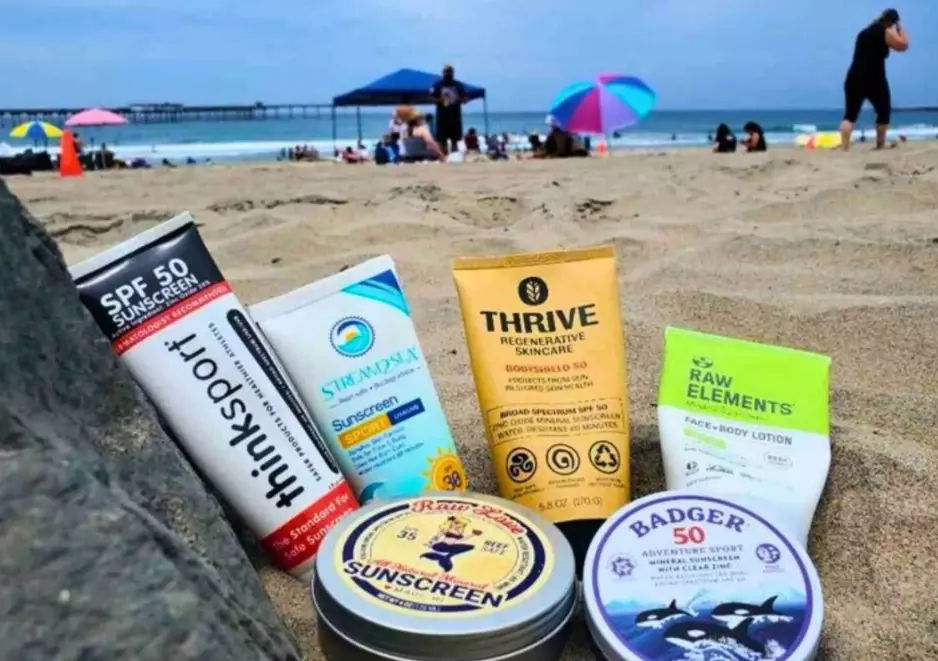
Most boats provide tanks, weights, and sometimes gear rentals. But bring your own mask and computer. Rental masks leak; rental computers have dead batteries. Pack reef-safe sunscreen, a lightweight rain jacket (even in the Red Sea, nights get chilly), and earplugs. Leave the hard suitcase—soft duffels fit better in cabins. And bring a small dry bag for your phone. You’ll thank me when a wave splashes the deck.
A typical day on board
Wake-up call at 6:30 am. Light breakfast. Dive briefing at 7:00. Splash by 7:30. Back on board by 9:00 for a proper breakfast. Surface interval. Second dive around 11:00. Lunch. Third dive at 2:30 pm. Snack. Night dive at 6:30 pm. Dinner at 8:00. Repeat. It’s relentless but weirdly relaxing. You’ll be exhausted by day three—in a good way.
Straight answers to your nagging questions
How many dives should I have before my first liveaboard?
Forget the number on your logbook. Can you complete a safety stop without holding onto anything? Can you clear a flooded mask calmly? If yes, you’re probably ready. If not, do a few more shore dives. Most operators in the Red Sea and Maldives want 20–30 logged dives, but I’ve seen beginners with 10 dives do fine on gentle itineraries like the Egyptian Brothers. It’s about comfort, not count.
What if I get seasick on the first day and want to quit?
Talk to the cruise director. Most boats have a “first-night grace period” where you can stay in a hotel on land if you’re really suffering. But honestly, give it 48 hours. The body adjusts. And if you’re still miserable, many operators will let you switch to a shore-based itinerary for the remainder—though you’ll lose the liveaboard price. Prevention is better: start meds 12 hours before boarding, not the morning of.
Do I need a dive buddy on a liveaboard?
You’ll be assigned one. But here’s a sneaky tip: buddy up with someone who has more dives than you, not less. They’ll be calmer in emergencies. And don’t be shy about telling the cruise director you’d prefer an experienced buddy—they’ve heard it all before and will accommodate you if possible.
Fact-checked against operator guidelines from PADI and the Red Sea Aggressor fleet. Always confirm minimum dive requirements and seasickness policies directly with your chosen boat.
Leave a Comment